


How to Choose the Right Abaya Fabric for Every Season in Pakistan
How to Choose the Right Abaya Fabric for Every Season in Pakistan
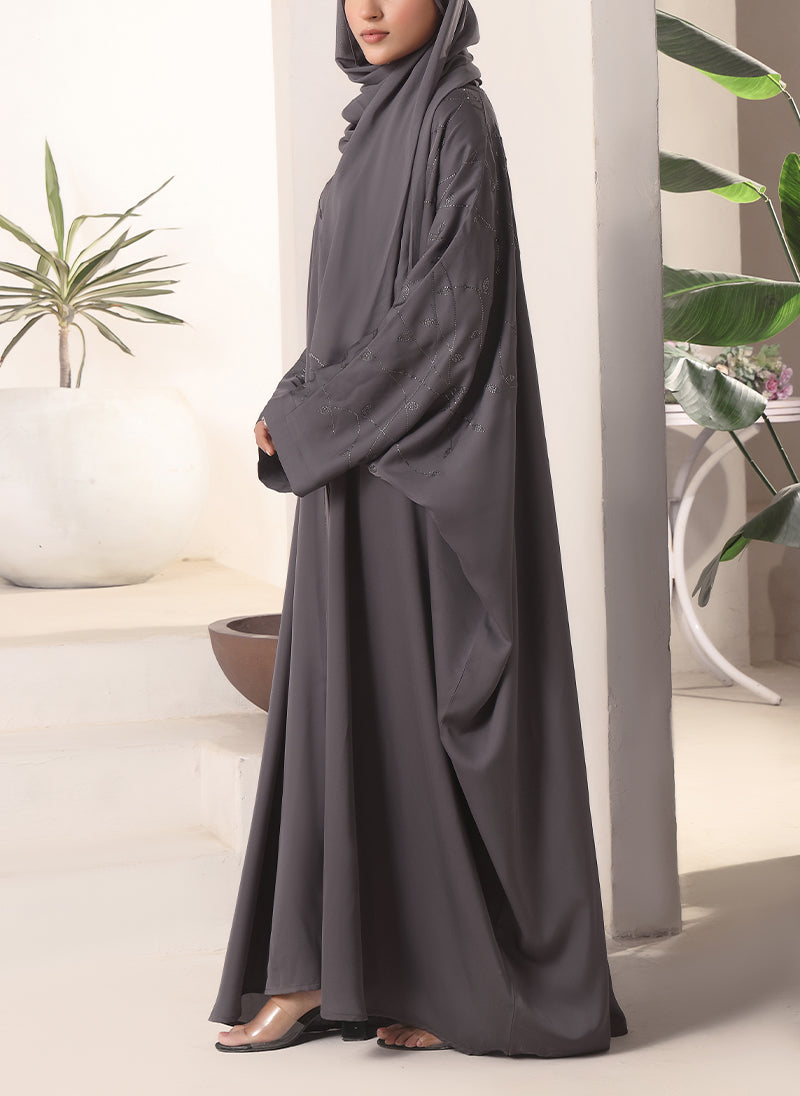
When choosing an abaya, most women naturally focus on its design, color, cut, and overall appearance. However, one of the most important decisions often comes down to something less visible: the fabric. The material used to make an abaya can affect its comfort, drape, appearance, weight, breathability, and suitability for different weather conditions.
This is particularly important in Pakistan, where the climate changes significantly throughout the year. Hot and humid summers, mild transitional weather, and colder winter months can all require different approaches to modest dressing. An abaya that feels comfortable during a cool evening may not be the most practical choice for a hot summer afternoon.
Fortunately, there are many abaya fabric options available today, ranging from versatile materials such as Nida, Premium Nida, PK Nida, China Nida, and Diamond Nida to lightweight options such as Chiffon, Double Georgette, and High Multi Chiffon. Other materials, including Zoom, Shining Zoom, Lining Zoom, Zari Zoom, Jacquard, Denim, Wool Peach, Boski Lawn, TT Silk, and CY Fabric, can offer different combinations of comfort, structure, texture, and visual appeal.
Understanding these options can help you select an abaya according to the season, occasion, and lifestyle rather than choosing a fabric based only on appearance.
In this guide, we will explore how to choose the right abaya fabric for every season in Pakistan, what factors should be considered before purchasing, and how different fabric options can fit into an everyday or occasion-based abaya wardrobe.
Why Does Abaya Fabric Matter?
Fabric is more than just the material used to construct an abaya. It influences how the garment behaves when worn.
The same abaya design can look completely different when produced in different fabrics. A soft, flowing material may create an elegant and fluid silhouette, while a more structured fabric can produce a sharper and more defined appearance.
Fabric also influences how comfortable the abaya feels during extended wear. Someone who spends several hours at university, in the office, shopping, travelling, or attending an event may have very different fabric requirements from someone looking for an abaya primarily for occasional wear.
For this reason, choosing an abaya should involve more than asking:
“Does this design look good?”
A better question is:
“Is this fabric suitable for how, when, and where I plan to wear this abaya?”
That small change in approach can make it much easier to build a practical and versatile abaya collection.
Understanding Different Types of Abaya Fabrics
There is no single fabric that can be described as the perfect choice for every woman. Different fabrics have different characteristics, and their suitability can depend on the season, construction, color, finish, and intended use of the garment.
Some commonly used options include:
Nida
Nida is one of the most familiar fabric choices in modest fashion and abaya wear. It is often selected for its elegant appearance and versatile nature, making it suitable for a variety of abaya designs.
Depending on the particular Nida used, the fabric can offer a smooth appearance and an attractive fall, making it suitable for everyday as well as more refined styles.
Premium Nida
Premium Nida is a popular option for women looking for a more elevated abaya experience. It can be considered when appearance, comfort, and a refined finish are priorities.
Premium Nida can work particularly well for women who want an abaya that feels appropriate for regular wear while maintaining a polished appearance.
PK Nida and China Nida
PK Nida and China Nida are also commonly encountered in abaya collections. While fabric characteristics can vary depending on the specific textile and finishing process, these options provide additional choices for women comparing different Nida-based materials.
When selecting between fabrics, it is useful to consider the actual weight, texture, drape, and finish of the individual garment rather than relying only on the fabric name.
Diamond Nida
Diamond Nida offers another option within the Nida family for women looking for a distinctive fabric finish. It can be particularly interesting when the objective is to combine the familiar elegance of an abaya with a slightly different visual texture.
Silk Nida
For women who prefer a more luxurious appearance, Silk Nida can be an appealing option. Its name itself reflects the direction of the fabric's aesthetic, making it suitable for designs where a refined and elegant finish is desired.
Lightweight and Flowing Fabric Options
Not every abaya needs to have the same structure or weight. Some women prefer fabrics that create a softer and more flowing silhouette.
Chiffon is well known for its lightweight and delicate appearance and can be used in modest fashion for designs that emphasize movement and layering. Double Georgette is another option that can provide a flowing look while offering a different texture and feel.
High Multi Chiffon can also be considered when the design calls for a lightweight, elegant, and visually fluid material.
These fabrics may be particularly relevant when discussing warm-weather styling, although the suitability of any specific fabric also depends on its construction, opacity, lining, and the overall design of the abaya.
Zoom Fabrics and Different Finishes
Another group of fabrics that can be found in abaya collections includes Zoom, Shining Zoom, Lining Zoom, and Zari Zoom.
These variations demonstrate an important point about choosing an abaya: a fabric category can have different finishes or constructions that make it suitable for different design purposes.
For example, Shining Zoom can be considered when a more polished or luminous visual finish is desired, while Zari Zoom can be particularly relevant for designs featuring decorative detailing.
Lining Zoom can also be useful in designs where lining and overall construction are important considerations.
Rather than deciding that one fabric is universally better than another, it is more useful to consider what the fabric is intended to achieve in the finished abaya.
Other Abaya Fabric Options
Modern abaya collections are not limited to a few traditional fabric choices. Depending on the design and intended aesthetic, women may also come across materials such as CY Fabric, Wool Peach, Boski Lawn, Denim, Jacquard, TT Silk, and Wool Chiffon.
Each brings a different visual direction to modest fashion.
Wool Peach can be considered for styles where a soft, comfortable appearance is desired, while Wool Chiffon combines the concept of a chiffon-based flowing look with a fabric option that can be more suitable for cooler styling.
Boski Lawn can be relevant when discussing lighter seasonal dressing, while Denim offers a more structured and contemporary approach to abaya styling.
For elevated or occasion-focused designs, Jacquard can introduce a more decorative and textured appearance. TT Silk can similarly be considered for designs where a sophisticated and premium visual effect is important.
These differences are precisely why understanding abaya fabrics is valuable: the fabric can influence the personality of the entire garment.
Choosing an Abaya Fabric According to the Season
Pakistan's weather should be one of the first considerations when selecting an abaya fabric.
During summer, comfort becomes particularly important. Lightweight and breathable-feeling options may be more desirable, especially for women who spend considerable time outdoors. Fabrics such as Chiffon, Double Georgette, High Multi Chiffon, and suitable lightweight Nida options can be explored depending on the garment's construction and coverage.
For transitional weather, versatile fabrics can provide greater flexibility. Nida-based options such as Nida, Premium Nida, PK Nida, China Nida, and Diamond Nida may work well for women looking for adaptable wardrobe pieces.
During cooler months, women may prefer fabrics and constructions that feel more substantial or can be comfortably layered. Options such as Wool Peach, Wool Chiffon, Denim, and selected structured fabrics can become relevant depending on the style and level of warmth required.
The key is to avoid thinking of fabric selection as a simple “summer fabric versus winter fabric” decision. Weight, construction, layering, lining, and personal comfort all matter.
Your Lifestyle Should Influence Your Fabric Choice
Seasonality is only one part of the decision.
A university student may prioritize an abaya that is easy to wear for several hours and practical for travelling between classes. A working woman may want a fabric that maintains a polished appearance throughout the working day. Someone who frequently attends weddings, dinners, or formal gatherings may prioritize drape, texture, detailing, and an elevated finish.
For everyday wear, versatile fabrics such as Nida, Premium Nida, or suitable Zoom options can be considered depending on the specific design.
For a more formal wardrobe, materials such as Jacquard, Silk Nida, TT Silk, or Zari Zoom may provide opportunities for a more distinctive and sophisticated appearance.
This does not mean that a particular fabric should be restricted to only one occasion. The final design, cut, embellishment, color, and styling all contribute to how an abaya looks.
Fabric, Design and Occasion Work Together
One of the most common mistakes when choosing an abaya is treating the fabric as an isolated factor.
In reality, fabric + cut + color + detailing + occasion work together.
A simple Nida abaya in a neutral color may create an elegant everyday look. The same general fabric category can also be incorporated into a more sophisticated design through tailoring and detailing.
Likewise, a fabric such as Jacquard or Zari Zoom may naturally lend itself to more decorative designs, but the final appearance still depends heavily on how the garment is constructed.
This is why a good abaya collection should offer variety rather than focusing on one fabric alone.
Building a Practical Abaya Wardrobe
Instead of purchasing several abayas that all serve exactly the same purpose, consider creating a wardrobe with different fabric characteristics.
You might choose:
- A versatile Nida or Premium Nida abaya for regular wear
- A lightweight Chiffon or Double Georgette option for suitable warm-weather styling
- A refined Silk Nida or Jacquard abaya for formal occasions
- A more distinctive Zari Zoom or Shining Zoom design for special events
- A seasonal option such as Wool Peach or Wool Chiffon for cooler weather
- A contemporary Denim design for a structured, casual look
This type of wardrobe gives you flexibility without requiring every abaya to perform the same function.
Choosing the right abaya fabric in Pakistan is ultimately about finding the right balance between comfort, appearance, season, occasion, and lifestyle.
From versatile Nida and Premium Nida to lightweight Chiffon and Double Georgette, from distinctive Jacquard and Denim to elegant Silk Nida and TT Silk, there are many options available for modern modest wardrobes.
The best choice is not necessarily the fabric with the most premium-sounding name. It is the one that works well for your weather, your routine, your preferred style, and the occasion for which you are wearing it.
In Part 2, we will take a closer look at the best abaya fabrics for summer in Pakistan, including lightweight options, breathable-feeling materials, and what women should consider when choosing an abaya for hot and humid weather.
Best Abaya Fabrics for Summer in Pakistan
Summer in Pakistan can be challenging for modest dressing. High temperatures, humidity, long commutes, and extended time outdoors can make fabric selection especially important. An abaya may look beautiful on a product page, but if the material feels unnecessarily heavy or uncomfortable in hot weather, it may not become a practical part of your everyday wardrobe.
This is why choosing the right summer abaya fabric involves looking beyond appearance. Weight, airflow, layering, opacity, construction, and personal comfort all need to be considered.
There is no single fabric that is automatically perfect for every woman during summer. However, certain fabric characteristics can make an abaya more suitable for warm-weather dressing.
What Should You Look for in a Summer Abaya Fabric?
Before choosing a summer abaya, consider the following factors:
Lightweight Construction
A lightweight fabric can feel easier to wear during hot weather, particularly when the abaya is worn for several hours.
This is one reason fabrics such as Chiffon, Double Georgette, High Multi Chiffon, and selected lightweight Nida options can be worth considering for summer collections.
However, lightweight does not necessarily mean better in every situation. The fabric should still provide suitable coverage and work effectively with the abaya's overall construction.
Breathability and Airflow
In hot weather, airflow becomes an important consideration.
A fabric that allows better air movement can contribute to a more comfortable wearing experience, especially when you are outdoors. The design of the abaya also matters. A loose, flowing cut can allow more movement of air than a heavily layered or tightly structured design.
Comfortable Drape
Summer abayas often benefit from fabrics with a fluid or graceful fall.
Chiffon, Double Georgette, and High Multi Chiffon can create an elegant sense of movement when used appropriately. These options can work particularly well for women who prefer a soft and flowing silhouette.
Appropriate Coverage
One important consideration is that a lightweight summer abaya should still maintain the desired level of modest coverage.
Some lightweight materials can require additional construction, layering, or lining depending on the color and design. This is particularly relevant for fabrics such as chiffon, where the final garment construction has a major role in determining opacity.
Therefore, do not choose an abaya based only on how light the fabric feels. Consider the complete finished garment.
Chiffon for Lightweight Summer Styling
Chiffon is a familiar fabric in modest fashion and is often associated with lightweight, flowing garments.
For summer abaya styling, chiffon can create an elegant and airy visual effect. Its fluid appearance can work particularly well in designs where movement is an important part of the overall aesthetic.
Because chiffon can be lightweight, the construction of the abaya becomes especially important. Depending on the specific chiffon and garment design, lining or layering may be required to achieve the desired coverage.
For women who enjoy graceful, flowing silhouettes, chiffon can be an interesting option for a summer-focused abaya wardrobe.
Double Georgette for a Flowing Look
Double Georgette is another fabric option that can be considered when looking for an elegant and flowing abaya.
Compared with very delicate lightweight materials, the double-layered construction implied by the name can provide a different feel and fall. Its texture can also give an abaya a distinctive appearance.
For summer, the most important consideration is the specific weight and construction of the fabric being used. A well-designed Double Georgette abaya can offer a balance between a flowing appearance and practical wearability.
It can be particularly suitable for women who want a summer abaya that looks elegant without appearing overly formal.
High Multi Chiffon for Elegant Movement
High Multi Chiffon can be considered by women who prefer lightweight fabrics with an elegant, flowing visual character.
It can work well for abaya designs that emphasize movement, layering, and a graceful silhouette.
When selecting a chiffon-based abaya for summer, always consider how the fabric is used in the complete design. The combination of fabric, lining, sleeves, cut, and overall volume can affect how comfortable the abaya feels in warm weather.
Nida: A Versatile Choice for Everyday Wear
Nida remains one of the most versatile fabric categories in abaya fashion.
For women who want an abaya that can transition between everyday activities, Nida can be an appealing option. Depending on the specific Nida variant and garment construction, it can provide an elegant appearance while remaining practical for regular use.
For warmer weather, the exact weight and finish matter. A lighter Nida construction can be more suitable for summer than a heavier version.
This is also why it is useful to explore different Nida options rather than treating every Nida fabric as identical.
Premium Nida for a Refined Summer Wardrobe
Premium Nida can be considered when you want everyday practicality with a more elevated finish.
A summer wardrobe does not have to consist entirely of casual-looking garments. Women who work in professional environments or frequently attend lunches, meetings, or gatherings may prefer an abaya that feels comfortable while still maintaining a polished appearance.
Premium Nida can fit this requirement depending on the specific weight and construction.
When shopping for a summer abaya, focus on how the complete garment feels rather than judging the fabric name alone.
PK Nida and China Nida
PK Nida and China Nida provide additional options within Nida-based abaya collections.
When comparing these fabrics for summer use, look at their actual texture, weight, drape, and finish. Fabric naming can vary across manufacturers and collections, so the physical characteristics of the finished abaya are more useful than assuming that every fabric carrying the same name will perform identically.
For everyday summer dressing, these options can be considered alongside Nida and Premium Nida according to personal preference.
Diamond Nida for a Distinctive Finish
If you want something slightly different from a standard everyday abaya, Diamond Nida can offer an alternative fabric direction.
Its distinctive finish can help create visual interest while maintaining the modest and sophisticated character associated with abaya fashion.
For summer, the key consideration remains the fabric's actual weight and construction. A decorative or textured finish should not come at the expense of comfort, particularly when the abaya is intended for daytime wear.
Boski Lawn and Seasonal Dressing
Boski Lawn can also be considered when discussing lighter seasonal fabrics.
Lawn-based materials are strongly associated with warm-weather clothing in Pakistan, making them an interesting option for seasonal modest fashion.
When used in an abaya, however, the overall construction is important. Coverage, lining, cut, and the way the fabric falls should all be considered.
For women looking to introduce a distinctly seasonal feel into their wardrobe, Boski Lawn can provide a different alternative to traditional abaya materials.
Is Zoom Suitable for Summer?
Zoom and its variations, including Shining Zoom and Lining Zoom, can offer additional choices depending on the specific fabric construction and finish.
For summer use, it is important to consider the individual garment rather than assuming that every Zoom fabric will have exactly the same characteristics.
If a Zoom abaya is lightweight, comfortable, and appropriately constructed for warm weather, it may work well as part of an everyday wardrobe.
Shining Zoom, on the other hand, may be more appropriate when you want a slightly more polished visual finish, depending on the design.
Summer Abaya Fabrics for Different Lifestyles
The best summer fabric can vary depending on what you actually do during the day.
For University Students
If you travel to and from university, walk between classes, or spend significant time outdoors, prioritize:
- Lightweight construction
- Comfortable drape
- Practical maintenance
- Suitable coverage
- Easy movement
Options such as suitable Nida, Chiffon, Double Georgette, or High Multi Chiffon designs can be explored according to the specific garment.
For Working Women
For office wear, comfort is important, but so is presentation.
A polished Nida or Premium Nida abaya can provide a refined appearance suitable for professional settings, while a lightweight construction can make it more practical during warmer weather.
Neutral colors and clean cuts can further contribute to a professional look.
For Everyday Errands
For shopping, appointments, family visits, and daily activities, versatility is often more important than elaborate detailing.
A practical Nida, PK Nida, China Nida, or suitable Zoom abaya can be considered depending on personal preference and the weather.
For Summer Events
Summer events require a slightly different approach.
If you are attending a dinner, gathering, or formal occasion, you may want something more visually distinctive without choosing a fabric that feels excessively heavy.
Depending on the design, options such as Silk Nida, Shining Zoom, High Multi Chiffon, or Jacquard can be explored for an elevated appearance.
The right choice ultimately depends on the event, venue, weather, and garment construction.
How to Stay Comfortable in a Summer Abaya
Choosing a suitable fabric is only one part of summer comfort.
The cut of the abaya also matters. Loose and flowing silhouettes can provide greater ease of movement and may feel more comfortable than heavily structured designs.
Sleeve construction, layering, lining, and the amount of embellishment can also affect how the garment feels.
Your choice of hijab matters as well. Pairing a summer abaya with a lightweight hijab fabric can create a more comfortable overall outfit.
Most importantly, choose according to your own comfort level. Climate, daily routine, and personal preference vary from person to person.
Summer Abaya Fabric Comparison
| Fabric | General Character | Potential Summer Use |
|---|---|---|
| Chiffon | Lightweight and flowing | Elegant summer styling |
| Double Georgette | Flowing with a distinct texture | Everyday and semi-formal |
| High Multi Chiffon | Lightweight and fluid | Summer and occasion styling |
| Nida | Versatile and elegant | Everyday wear |
| Premium Nida | Refined and versatile | Office and everyday wear |
| PK Nida | Nida-based option | Regular wear depending on weight |
| China Nida | Nida-based option | Everyday and versatile styles |
| Diamond Nida | Distinctive finish | Stylish everyday or occasion looks |
| Boski Lawn | Seasonal, lightweight feel | Warm-weather styling |
| Zoom | Versatile depending on construction | Everyday wear where suitable |
| Shining Zoom | More polished finish | Evening or elevated looks |
| Lining Zoom | Construction-focused option | Designs requiring lining |
| Jacquard | Textured and decorative | Selected summer occasions |
Choosing a summer abaya fabric in Pakistan is about finding the right balance between lightness, comfort, coverage, and style.
Fabrics such as Chiffon, Double Georgette, High Multi Chiffon, Nida, Premium Nida, PK Nida, China Nida, Diamond Nida, Boski Lawn, and suitable Zoom options can all have a
place in a summer wardrobe depending on their specific construction and the way the abaya is designed.
The most important thing is not simply choosing the lightest fabric available. Instead, consider the complete garment: fabric weight, opacity, lining, cut, drape, comfort, and where you plan to wear it.
A thoughtfully selected summer abaya can help you maintain a modest, elegant appearance without making warm-weather dressing unnecessarily difficult.
In Part 3, we will move from summer to winter and formal wear, exploring fabrics such as Wool Peach, Wool Chiffon, Denim, Jacquard, Silk Nida, TT Silk, Zari Zoom, Shining Zoom, and other options that can add warmth, structure, texture, or elegance to your abaya wardrobe.
Best Abaya Fabrics for Winter and Formal Wear in Pakistan
While summer abayas often focus on lightness and comfort, winter and formal dressing bring a different set of requirements. During colder months, many women prefer fabrics that feel more substantial, offer a structured fall, or work well with layering. For formal occasions, the priority may shift toward texture, drape, finish, and an elevated appearance.
Pakistan's winter climate also varies considerably from region to region. Winters in cities such as Karachi can be relatively mild, while Lahore, Islamabad, and northern areas can experience considerably cooler temperatures. This means that the ideal winter abaya fabric depends not only on the season but also on your location and how much time you spend outdoors.
At the same time, formal occasions such as weddings, dinners, family gatherings, Eid celebrations, and special events often call for fabrics that look more sophisticated than a typical everyday abaya.
Fortunately, there are plenty of options to explore. Fabrics such as Wool Peach, Wool Chiffon, Denim, Jacquard, Silk Nida, TT Silk, Zari Zoom, Shining Zoom, Premium Nida, and other refined materials can all play different roles in a versatile modest wardrobe.
What Should You Look for in a Winter Abaya Fabric?
Winter dressing does not necessarily mean choosing the heaviest fabric available. Instead, consider the overall combination of fabric, garment construction, layering, and your local climate.
A More Substantial Feel
During colder weather, fabrics with a more substantial feel can be preferable to extremely lightweight materials.
Wool Peach and Wool Chiffon, for example, can be considered when looking for options suitable for cooler-weather styling. Their role in an abaya wardrobe can depend on the specific construction and the level of warmth required.
Easy Layering
Layering is one of the most practical ways to adapt an abaya for winter.
A moderately weighted abaya can be worn over suitable inner layers, allowing you to adjust your outfit according to the temperature. This can be more versatile than owning only very heavy winter garments.
Fabrics such as Nida, Premium Nida, and selected Zoom options can work as versatile outer layers when styled appropriately.
Structure and Fall
Winter styling can also benefit from fabrics that provide a little more structure.
Denim, for example, offers a more structured and contemporary appearance than many traditional flowing abaya fabrics. It can be an interesting choice for women who want to experiment with modern modest fashion while maintaining a full-coverage silhouette.
Wool Peach for Cooler Weather
Wool Peach can be an appealing option for cooler-weather abaya styling.
Its name is commonly associated with a softer, slightly warmer fabric character, making it worth considering when transitioning from lightweight summer materials toward more substantial seasonal clothing.
A Wool Peach abaya can work particularly well for everyday winter wear when the design is comfortable and practical. It can also be paired with additional layers when temperatures drop further.
As with any fabric, the exact feel and warmth can vary according to the specific textile and construction, so it is always useful to consider the finished garment rather than relying solely on the fabric name.
Wool Chiffon for Seasonal Versatility
Wool Chiffon is another interesting option for cooler-weather modest dressing.
It brings together the idea of chiffon-inspired drape with a more seasonally appropriate fabric direction. This can make it useful for women who enjoy flowing abaya silhouettes but want an alternative to very lightweight summer fabrics.
Wool Chiffon can be especially appealing for transitional weather when temperatures are cool but not necessarily cold enough to require very heavy outerwear.
Denim for a Contemporary Winter Look
For women who prefer modern and structured modest fashion, Denim can introduce a completely different aesthetic.
Unlike many soft and flowing abaya materials, denim naturally offers a more defined structure. This can make a denim abaya suitable for casual winter outfits, weekend wear, shopping trips, travel, or everyday styling.
A denim abaya can be paired with a simple hijab and minimal accessories for a clean contemporary look.
It is also a useful reminder that an abaya does not have to look traditional to remain modest. Modern fabrics and silhouettes can be incorporated into modest dressing while maintaining the core principles of coverage and elegance.
Nida-Based Fabrics for Year-Round Versatility
Although Nida is often associated with everyday abayas, it should not automatically be considered a summer-only fabric.
Nida, Premium Nida, PK Nida, China Nida, Diamond Nida, and Silk Nida offer different options within the broader Nida category.
Depending on the specific weight and design, these fabrics can be used across different seasons. During cooler weather, an appropriately constructed Nida abaya can be paired with layers underneath.
Premium Nida can be particularly useful for women who want a polished abaya that transitions between everyday and professional settings.
Silk Nida, meanwhile, can bring a more refined visual character that works well for evening or occasion-focused dressing.
Jacquard for Elegant and Formal Abayas
When the occasion calls for something more sophisticated, Jacquard is a fabric worth considering.
Jacquard fabrics are known for their woven patterns and textured appearance, which can create visual interest without relying entirely on heavy embellishment.
A Jacquard abaya can work particularly well for:
- Weddings
- Formal dinners
- Eid gatherings
- Family events
- Evening occasions
- Special celebrations
One of the advantages of a textured fabric is that the abaya can look distinctive even with relatively simple tailoring.
For women who prefer understated luxury, a carefully designed Jacquard abaya can provide elegance without excessive decoration.
Silk Nida for Refined Occasion Wear
Silk Nida can be considered when the goal is to create a more polished and luxurious appearance.
The fabric can work beautifully with elegant cuts, subtle detailing, clean silhouettes, and sophisticated colors. It is particularly relevant for women who want an abaya that feels more special than their everyday wardrobe.
For formal occasions, styling should remain balanced. A refined fabric paired with minimal accessories can often create a more sophisticated result than combining multiple highly decorative elements.
TT Silk for a Premium Appearance
TT Silk is another option that can be explored for elevated modest dressing.
A silk-inspired fabric can bring a distinctive visual character to an abaya, making it particularly suitable for evening wear and special occasions depending on the garment's construction.
When choosing a premium-looking abaya, consider how the fabric interacts with the overall design. The cut, stitching, sleeve details, embellishment, and color can all influence the final appearance.
A well-designed TT Silk abaya does not necessarily need excessive decoration to make an impact.
Zari Zoom for Occasion Dressing
For women who enjoy decorative details, Zari Zoom can offer an interesting option.
The inclusion of zari-inspired detailing can give an abaya a more festive and occasion-focused character. This makes it particularly suitable for celebrations where you want your outfit to feel distinctive while remaining modest.
Zari Zoom can work well for:
- Eid outfits
- Wedding events
- Formal dinners
- Festive gatherings
- Evening occasions
The key to styling decorative fabrics is balance. If the abaya already contains noticeable detailing, a simpler hijab and understated accessories can help keep the overall outfit elegant.
Shining Zoom for Evening Looks
Shining Zoom can also be considered when looking for an abaya with a more polished or luminous appearance.
This type of finish can work especially well for evening occasions, where subtle light reflection can add dimension to the outfit.
A Shining Zoom abaya can be paired with a coordinated hijab and minimal jewelry for an elegant evening look.
The goal should be sophistication rather than excessive shine. The fabric itself can provide enough visual interest when the design is kept clean.
High Multi Chiffon Beyond Summer
Although chiffon-based fabrics are often associated with warm-weather dressing, High Multi Chiffon does not have to be limited exclusively to summer.
It can be used in formal or layered designs where a flowing silhouette is desired. During cooler weather, an abaya made from a lighter fabric can still be practical when combined with appropriate inner layers or outerwear.
This makes it particularly useful during transitional seasons such as early autumn or spring.
Choosing a Formal Abaya Fabric
Formal occasions require a different approach from everyday dressing.
Instead of choosing a fabric purely for comfort, you may want to consider:
Drape: Does the fabric fall elegantly?
Texture: Does it add visual interest?
Finish: Does it look refined under indoor and evening lighting?
Structure: Does the abaya maintain its intended silhouette?
Detailing: Does the fabric complement embroidery, zari, buttons, pleats, or other design elements?
Materials such as Jacquard, Silk Nida, TT Silk, Zari Zoom, Shining Zoom, and selected Premium Nida designs can be considered depending on the desired aesthetic.
Best Fabrics for Different Formal Occasions
Weddings
For weddings and wedding-related events, you can consider fabrics with more visual richness.
Jacquard, Silk Nida, TT Silk, and Zari Zoom can work well when combined with elegant detailing and sophisticated colors.
Eid
Eid dressing often benefits from a balance between festive appeal and comfort.
A beautifully designed Silk Nida, Premium Nida, Shining Zoom, or Zari Zoom abaya can create a polished festive look.
Formal Dinners
For dinners and evening gatherings, a sophisticated silhouette can be more important than heavy embellishment.
Silk Nida, TT Silk, Shining Zoom, or Jacquard can provide an elegant foundation for an evening outfit.
Office Events
For professional gatherings, understated elegance usually works best.
A clean-cut Premium Nida or Nida abaya can be paired with a coordinated hijab and minimal accessories.
Winter Does Not Always Mean Heavy Fabric
One of the biggest misconceptions about winter abayas is that the fabric must always be thick and heavy.
In reality, layering provides considerable flexibility.
A medium-weight abaya can be combined with:
- A warm inner layer
- A suitable undershirt
- A lightweight sweater
- A winter hijab
- A coat or outer layer where appropriate
This approach allows you to adapt the same abaya to changing temperatures.
For women living in milder winter climates, such as Karachi, a versatile Nida or Premium Nida abaya may be more practical than investing exclusively in very heavy fabrics.
Fabric and Color Can Work Together
Fabric is only one component of seasonal dressing. Color can also influence the visual character of an abaya.
During winter, deeper shades such as black, charcoal, navy, brown, burgundy, and other rich tones can create a naturally seasonal appearance.
For formal wear, however, the choice is much broader. Neutral shades, jewel tones, soft pastels, and classic black can all work beautifully depending on the event.
The most important consideration is that the fabric, color, cut, and detailing should complement one another.
How to Choose Between Everyday and Formal Fabrics
If you are deciding whether to purchase an everyday or formal abaya, consider how frequently you will wear it.
An everyday abaya should ideally be versatile enough to work with different outfits and occasions. Fabrics such as Nida, Premium Nida, PK Nida, China Nida, and suitable Zoom options can provide flexibility depending on the specific design.
A formal abaya, on the other hand, can be more distinctive. Jacquard, Silk Nida, TT Silk, Zari Zoom, and Shining Zoom can help create a more occasion-focused wardrobe.
Rather than choosing one category over the other, a balanced wardrobe can include both.
Winter and Formal Abaya Fabric Comparison
| Fabric | General Character | Suitable Styling |
|---|---|---|
| Wool Peach | Softer, more substantial seasonal feel | Cooler-weather everyday wear |
| Wool Chiffon | Flowing with a seasonal character | Transitional and cooler weather |
| Denim | Structured and contemporary | Casual and modern styling |
| Nida | Versatile and elegant | Everyday and layered looks |
| Premium Nida | Refined and adaptable | Office and everyday wear |
| Silk Nida | Polished and elegant | Formal and evening wear |
| Jacquard | Textured and decorative | Weddings and formal events |
| TT Silk | Refined, premium appearance | Evening and occasion wear |
| Zari Zoom | Decorative and festive | Eid, weddings and celebrations |
| Shining Zoom | Polished, luminous finish | Evening occasions |
| High Multi Chiffon | Lightweight and flowing | Transitional or layered looks |
Choosing a winter or formal abaya fabric does not simply mean selecting the heaviest or most decorative material. The right choice depends on your climate, comfort requirements, occasion, preferred silhouette, and overall styling.
For cooler weather, Wool Peach, Wool Chiffon, Denim, and suitably weighted Nida-based fabrics can provide different options for seasonal dressing. For formal occasions,
Jacquard, Silk Nida, TT Silk, Zari Zoom, and Shining Zoom can create more elevated and distinctive looks.
The most versatile wardrobes combine both practical and occasion-focused fabrics, allowing you to choose an abaya based on what the day actually requires.
How to Choose the Right Abaya Fabric for Every Season in Pakistan
Choosing the right abaya fabric becomes much easier when you stop looking for one “perfect” material and instead consider your lifestyle, local weather, occasion, preferred style, and comfort. As we have explored throughout this guide, Pakistan offers a wide range of climates and modest-fashion needs, so the ideal fabric for a summer day in Karachi may not be the same as the best choice for a winter evening in Islamabad or Lahore.
From versatile Nida and Premium Nida to lightweight Chiffon and Double Georgette, textured Jacquard, contemporary Denim, and occasion-focused options such as Silk Nida, TT Silk, Zari Zoom, and Shining Zoom, every fabric can have a different role in a well-planned abaya wardrobe.
The goal is to choose fabrics that work for you rather than simply following trends.
How to Choose the Right Abaya Fabric for Your Lifestyle
Your daily routine should be one of the first things you consider when buying an abaya.
An abaya for university, commuting, shopping, or everyday errands needs to be practical and comfortable. An abaya for weddings or formal dinners can place greater emphasis on texture, finish, detailing, and visual appeal.
For Everyday Wear
For everyday use, versatility is usually more important than elaborate detailing.
Nida, Premium Nida, PK Nida, China Nida, Diamond Nida, and suitable Zoom fabrics can all be considered depending on the design and fabric weight.
A good everyday abaya should ideally be easy to style with different hijabs and accessories. Neutral colors and clean silhouettes can make a single abaya useful across multiple occasions.
For women who wear abayas regularly, investing in a few versatile everyday pieces can be more practical than having a wardrobe filled exclusively with formal designs.
For University and Daily Commuting
University students often need clothing that can remain comfortable for several hours.
If your day involves travelling, walking, attending classes, or spending time outdoors, consider fabrics and designs that feel manageable and allow comfortable movement.
Lightweight options such as Chiffon, Double Georgette, High Multi Chiffon, or appropriately lightweight Nida constructions can be considered for warmer weather.
During cooler months, options such as Wool Peach, Wool Chiffon, or layered Nida styles may be more suitable depending on the local temperature.
The important point is to consider the complete garment, rather than selecting a fabric based on its name alone.
For Office Wear
An office abaya should combine modesty, comfort, and a polished appearance.
For professional settings, fabrics such as Nida and Premium Nida can provide a clean and refined foundation for minimalist abaya designs.
A structured silhouette, neutral color, simple sleeves, and subtle detailing can create a professional appearance without making the outfit feel overly formal.
For office events or important meetings, you can also consider refined options such as Silk Nida or carefully designed Jacquard pieces when appropriate.
For Casual Outings
Casual abaya styling gives you more freedom to experiment.
A contemporary Denim abaya can create a modern and structured appearance, while a flowing Nida or Double Georgette design can provide a softer aesthetic.
For a relaxed outfit, pair a simple abaya with a coordinated hijab and minimal accessories. The objective is to create an outfit that looks polished without appearing overdressed.
For Weddings and Formal Events
Formal occasions provide an opportunity to explore more distinctive fabrics and details.
Jacquard, Silk Nida, TT Silk, Zari Zoom, and Shining Zoom can all be considered for occasion wear depending on the design.
Jacquard can add texture and visual depth, while Silk Nida and TT Silk can create a more refined appearance. Zari Zoom can be particularly suitable for festive looks where decorative detailing is desired.
For formal wear, remember that the fabric itself can be enough to make an impression. You do not necessarily need heavy embellishment, elaborate accessories, and highly detailed styling all at once.
For Eid and Festive Dressing
Eid outfits often require a balance between elegance and comfort.
A beautifully constructed Premium Nida, Silk Nida, Shining Zoom, Zari Zoom, or Jacquard abaya can provide a festive appearance while maintaining a modest aesthetic.
Color can also play an important role. Classic black remains timeless, but deep jewel tones, soft neutrals, muted pastels, and other sophisticated shades can create beautiful Eid looks.
When choosing a festive abaya, think about how you will style it with your hijab, shoes, handbag, and accessories. The fabric should complement the complete outfit.
How to Choose Abaya Fabric According to Weather
Seasonality should remain an important part of your decision.
Summer
For hot weather, prioritize:
- Lightweight construction
- Comfortable airflow
- Appropriate coverage
- Easy movement
- Minimal unnecessary layering
Depending on construction, fabrics such as Chiffon, Double Georgette, High Multi Chiffon, Nida, PK Nida, China Nida, Boski Lawn, and selected Zoom options can be explored.
Winter
For cooler temperatures, consider:
- More substantial fabrics
- Comfortable layering
- Appropriate structure
- Seasonal textures
Options such as Wool Peach, Wool Chiffon, Denim, and suitably weighted Nida-based fabrics can be considered.
Transitional Weather
Spring and autumn often require versatility because temperatures can change throughout the day.
Medium-weight fabrics such as Nida, Premium Nida, Double Georgette, or suitable Zoom options can provide flexibility.
Layering can also allow you to wear some of your favorite abayas across more than one season.
How to Choose Abaya Fabric According to Appearance
Different fabrics can create completely different visual effects.
If you prefer a soft and flowing appearance, explore:
- Chiffon
- Double Georgette
- High Multi Chiffon
- Wool Chiffon
If you prefer a smooth and versatile everyday appearance, consider:
- Nida
- Premium Nida
- PK Nida
- China Nida
- Diamond Nida
If you prefer a textured or structured appearance, explore:
- Jacquard
- Denim
For a more luxurious or occasion-focused appearance, consider:
- Silk Nida
- TT Silk
- Shining Zoom
- Zari Zoom
This does not mean that a particular fabric can only be used for one style. The cut, color, tailoring, embellishment, and overall construction can completely change how the final abaya looks.
How to Choose an Abaya Fabric for Your Personal Style
Your personal style should always have the final say.
Minimalist Style
If you prefer clean and understated outfits, look for simple silhouettes in Nida, Premium Nida, or Silk Nida.
Neutral colors and minimal detailing can create a timeless appearance.
Feminine and Flowing Style
If you prefer soft movement and graceful silhouettes, Chiffon, Double Georgette, High Multi Chiffon, and Wool Chiffon can be interesting options depending on the season and construction.
Modern Style
For contemporary modest fashion, Denim can introduce structure and a modern aesthetic. Clean cuts and minimal accessories can further emphasize the look.
Elegant and Formal Style
If you prefer sophisticated occasion wear, Jacquard, TT Silk, Silk Nida, Zari Zoom, and Shining Zoom can offer a more elevated visual direction.
Fabric Selection Should Also Consider Maintenance
A fabric's appearance is important, but maintenance matters too.
If you intend to wear an abaya frequently, consider whether you are comfortable following its care requirements.
Before washing, drying, ironing, or storing your abaya, always follow the care instructions provided with the garment. Different fabrics and finishes can have different requirements.
This becomes particularly important for abayas featuring delicate detailing, decorative finishes, textured fabrics, or special embellishments.
A little extra care can help preserve the appearance and longevity of your abaya.
Don't Choose Fabric by Name Alone
One of the most important lessons when shopping for abayas is that fabric names do not tell the entire story.
Two garments made using fabrics with similar names can feel different depending on:
- Fabric weight
- Weave
- Finishing
- Lining
- Construction
- Color
- Garment cut
- Embellishment
For example, choosing between Nida, Premium Nida, China Nida, PK Nida, or Diamond Nida should not be based purely on the label. Look at the actual garment and consider what you need from it.
Similarly, Chiffon, Double Georgette, and High Multi Chiffon may each create different results depending on how they are incorporated into the final design.
A Practical Abaya Fabric Checklist
Before purchasing an abaya, ask yourself these questions:
What season will I wear it in?
A summer abaya and winter abaya may require very different fabric characteristics.
Where will I wear it?
University, office, everyday errands, weddings, Eid, and formal dinners can all call for different choices.
How long will I wear it?
If you will wear it for several hours, comfort should be a major consideration.
Do I prefer a flowing or structured silhouette?
Your preferred appearance can help narrow down fabric choices.
How much maintenance am I comfortable with?
Choose a fabric and finish that fits your lifestyle.
Does the fabric provide the coverage I want?
Always consider the complete garment rather than the fabric name alone.
Does it work with my existing wardrobe?
A versatile abaya should ideally complement the hijabs, shoes, handbags, and accessories you already own.
Creating a Balanced Abaya Collection
A thoughtfully planned abaya wardrobe does not need dozens of pieces. Instead, focus on variety.
A practical collection might include:
-
Everyday Abaya
Choose a versatile Nida, Premium Nida, PK Nida, or China Nida design that can be worn regularly. -
Summer Abaya
Consider a lightweight Chiffon, Double Georgette, High Multi Chiffon, Boski Lawn, or suitable lightweight Nida option. -
Winter Abaya
Explore Wool Peach, Wool Chiffon, Denim, or a suitably substantial fabric that works with your local climate. -
Office Abaya
A clean Premium Nida or Nida design can provide a professional appearance. -
Formal Abaya
Consider Jacquard, Silk Nida, TT Silk, Shining Zoom, or Zari Zoom for more elevated occasions.
This approach creates a wardrobe where every abaya has a clear purpose.
Why Fabric Variety Matters for Modern Modest Fashion
Modern modest fashion is no longer limited to one particular silhouette or material.
Women today want abayas that can adapt to different parts of their lives. They may need something practical for work in the morning, a comfortable option for shopping in the afternoon, and an elegant design for an evening gathering.
Fabric variety makes this possible.
From the understated elegance of Nida to the flowing appearance of Chiffon, the texture of Jacquard, the contemporary structure of Denim, and the refined finish of Silk Nida or TT Silk, different materials allow women to express their personal style while maintaining modesty.
Choosing Quality Over Trends
Trends can influence the colors, cuts, and details that become popular, but quality and suitability should remain more important than temporary fashion.
An abaya that fits your lifestyle and remains comfortable over time is generally a better investment than one chosen only because its fabric or design is currently trending.
When shopping for an abaya, consider the overall construction, stitching, finishing, fabric feel, and fit alongside its appearance.
A well-made abaya should feel as good as it looks.
Finding the Right Abaya at Hijab Ul Hareem
At Hijab Ul Hareem, the range of abaya fabrics allows women to explore different styles for different seasons and occasions.
From versatile Nida, Premium Nida, PK Nida, China Nida, Diamond Nida, and Silk Nida to options such as Double Georgette, Chiffon, High Multi Chiffon, Zoom, Shining Zoom, Lining Zoom, Zari Zoom, Wool Peach, Wool Chiffon, Boski Lawn, Denim, Jacquard, CY Fabric, and TT Silk, there are numerous fabric directions to explore when building a modest wardrobe.
The right choice ultimately depends on what you are looking for: everyday practicality, seasonal comfort, a professional appearance, contemporary styling, or an elegant outfit for a special occasion.
Rather than asking which fabric is universally the best, ask:
Which fabric is best for me, my lifestyle, my weather, and the occasion?
That is the question that leads to a more confident purchase.
Final Thoughts
Choosing the right abaya fabric for every season in Pakistan is about understanding your own needs.
For warm weather, lightweight and comfortable options can make everyday dressing easier. For winter, more substantial fabrics and smart layering can provide seasonal versatility. For office and everyday wear, practical fabrics such as Nida and Premium Nida can offer a polished appearance. For weddings, Eid, dinners, and formal events, fabrics such as Jacquard, Silk Nida, TT Silk, Zari Zoom, and Shining Zoom can help create a more distinctive look.
There is no single fabric that works for every woman or every situation. The best abaya is the one that brings together comfort, modesty, quality, seasonality, personal style, and occasion.
With a better understanding of fabrics such as Nida, Double Georgette, Zoom, CY Fabric, Wool Peach, Chiffon, Wool Chiffon, China Nida, PK Nida, Boski Lawn, Denim, Diamond Nida, High Multi Chiffon, Jacquard, Lining Zoom, Shining Zoom, Premium Nida, Silk Nida, TT Silk, and Zari Zoom, you can make more informed choices and build an abaya wardrobe that works throughout the year.
Whether you are looking for an everyday abaya, a professional office look, a lightweight summer style, a winter-ready design, or an elegant formal outfit, choosing the right fabric is one of the most important steps toward finding an abaya that truly works for you.
The right fabric does not simply complete an abaya—it helps define how confidently, comfortably, and elegantly you wear it.